How many times did mario andretti won the indy 500

James Sullivan
Published Feb 13, 2026
There are other answers below:
Andretti failed to finish the 500 in 1984, but he went on to win his fourth and final Indy car championship, this time under CART sanction. The 1985 race would bring more heartbreak to Mario; he led 107 laps, but in the latter stages of the race, he was out-paced by Danny Sullivan – who had somehow regained control after spinning while trying …
Oldest race winner in Indy Car history, with 1993 victory at Phoenix at age 53. Only driver to win the Indy 500, Daytona 500 and the Formula One World Championship. From 1961 to 2000, competed in 879 races, had 111 wins and 109 poles (includes all forms of motorsports)
The Official Site of Mario Andretti: The online destination for Racing Legend, Mario Andretti … All-time leader in Indy Car pole positions won (67) Second all-time in Indy Car victories (52) All-time Indy Car lap leader (7,595) … Indy 500, Hanford 200, Pike’s Peak Hill Climb, Nazareth 100, Trenton 200, Springfield 100, Trenton 300, Kent 100 …
How many Indy 500s did Mario Andretti win? Andretti won once at the Indianapolis 500 in 29 attempts. Andretti has had so many incidents and near victories at the track that critics have dubbed the family’s performance after Mario’s 1969 Indianapolis 500 victory the “Andretti Curse”.
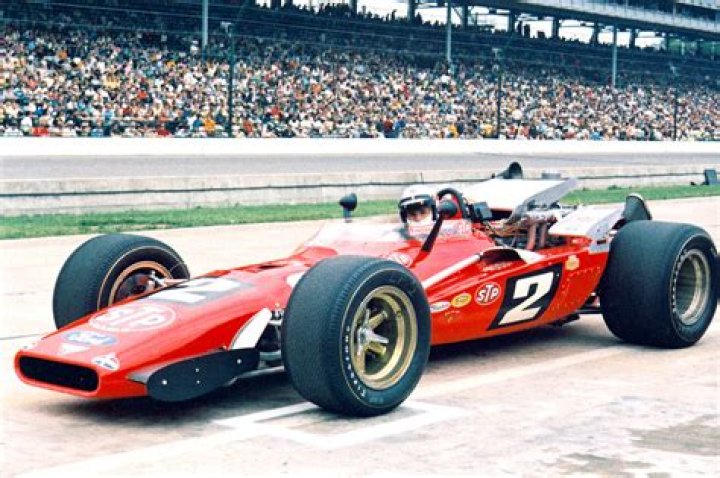
Mario Andretti, a 29-year-old two-time USAC national champion, had just won the 1969 Indianapolis 500 and pulled his turbocharged Ford-V-8-powered Hawk III onto Victory Lane.
Mario Andretti competed in the Indy 500 long before (and long after) his F1 career, and has the second highest number of entries to the Indy 500 – his 29 starts being beaten only by four-time …
But for all their success at circuits around the world, Mario Andretti’s Indy 500 victory in 1969 stands alone. That win 50 years ago this weekend was expected to be the first of many for Mario at …
The incident put Mario Andretti in the lead for rest of the way. Mario Andretti led 116 laps total and won for car owner Andy Granatelli. With Andretti’s finish time of 3:11:14.71, it was the fastest run Indianapolis 500 up to that date, breaking the previous record by nearly five minutes.
112 hàng · · Four drivers share the record for the most Indy 500 wins of all time. …
How many Indy 500s did Mario Andretti win? Andretti won once at the Indianapolis 500 in 29 attempts. Andretti has had so many incidents and near victories at the track that critics have dubbed the family’s performance after Mario’s 1969 Indianapolis 500 victory the “Andretti Curse”.Related Questions
How many times did Mario Andretti win the 500?
Andretti has had so many incidents and near victories at the track that critics have dubbed the family’s performance after Mario’s 1969 Indianapolis 500 victory the “Andretti Curse”. Andretti finished all 500 miles (800 km) just five times, including his 1969 Indianapolis 500 victory.
How many races did Mario Andretti win in 1969?
A replica of the Brawner Hawk in which Andretti won the 1969 Indy 500 resides in the Indianapolis Motor Speedway Hall of Fame Museum. Andretti won nine races in 1969, the 1969 Indianapolis 500, and the season championship. He also won the Pikes Peak International Hill Climb, which was part of the USAC National Championship.
What happened to Mario Andretti’s 1969 Indy 500 car?
The car in which Andretti won the 1969 Indy 500 is owned by the Smithsonian, while a replica made from the original blueprints sits on display at the Indianapolis Motor Speedway Museum . For 1969, not a single front-engined car managed to qualify for the race, and ultimately, one would never do so again.
Who won the Indy 500 in the first time?
Hill won the Indy 500 at his first attempt, though this win wasn’t without dispute. While Hill was awarded the win, second-placed Jim Clark’s team also thought they had won the race. Clark had spun twice during the race and was able to continue, and theories postulate that a lap might not have been attributed to Clark as a result.